10/30/2026 | Will Kaselow, Community Conservation Manager
This fall, NeighborSpace began to identify and reach out to priority communities with a need for green space. Historically, NeighborSpace has operated by responding to requests for conservation. While this approach has built a beautiful and strong network of NeighborSpace sites, the distribution of those sites is not as equitable as it should be. Funding from the EPA through its Thriving Communities grant program has supported the development of numerous outreach materials as well as a series of five information sessions and a community green space bus tour. The goal of these materials and programs is to increase public awareness of the services that NeighborSpace provides and to begin building partnerships with communities that would benefit from protecting and restoring green space the most.
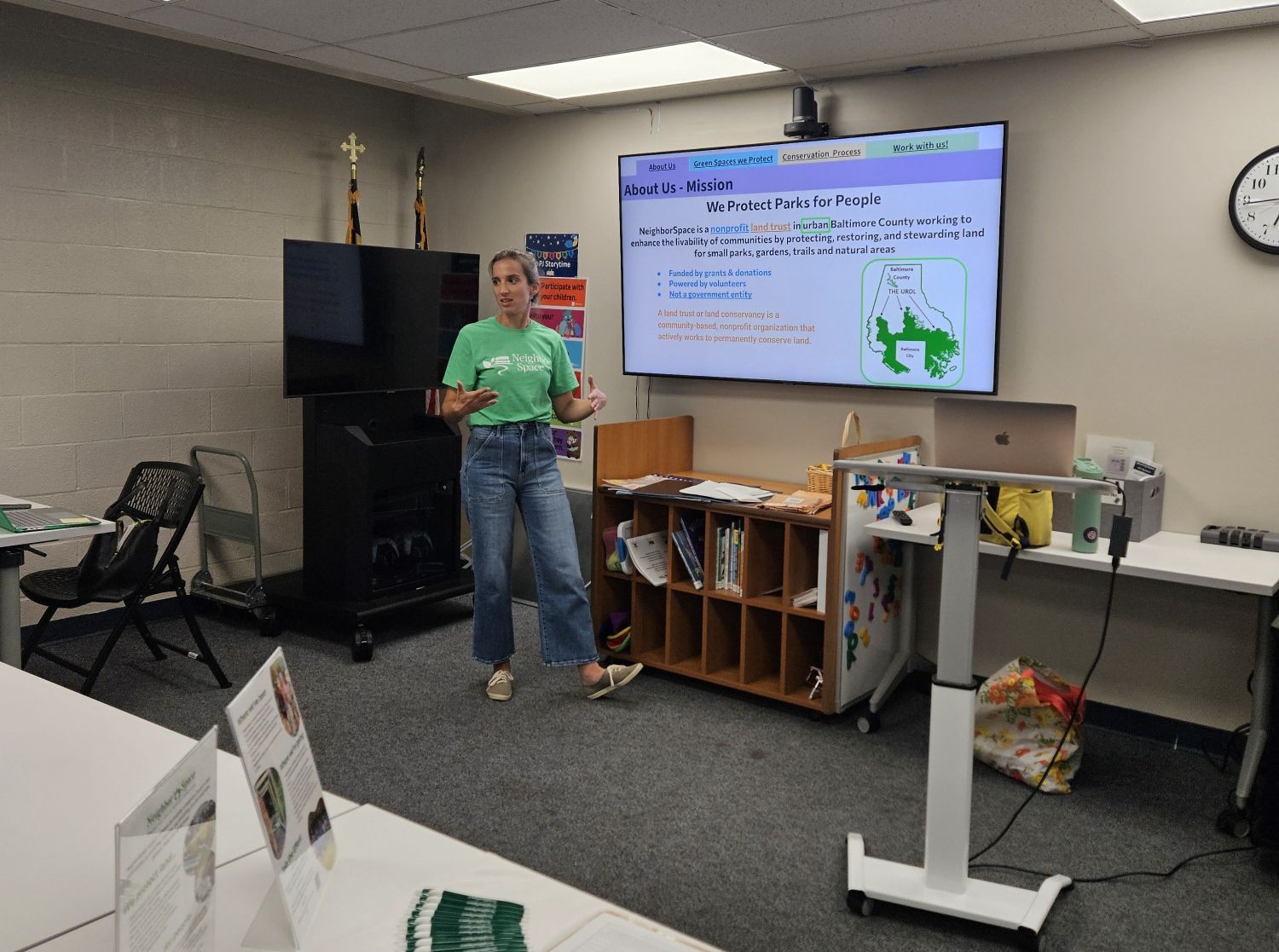
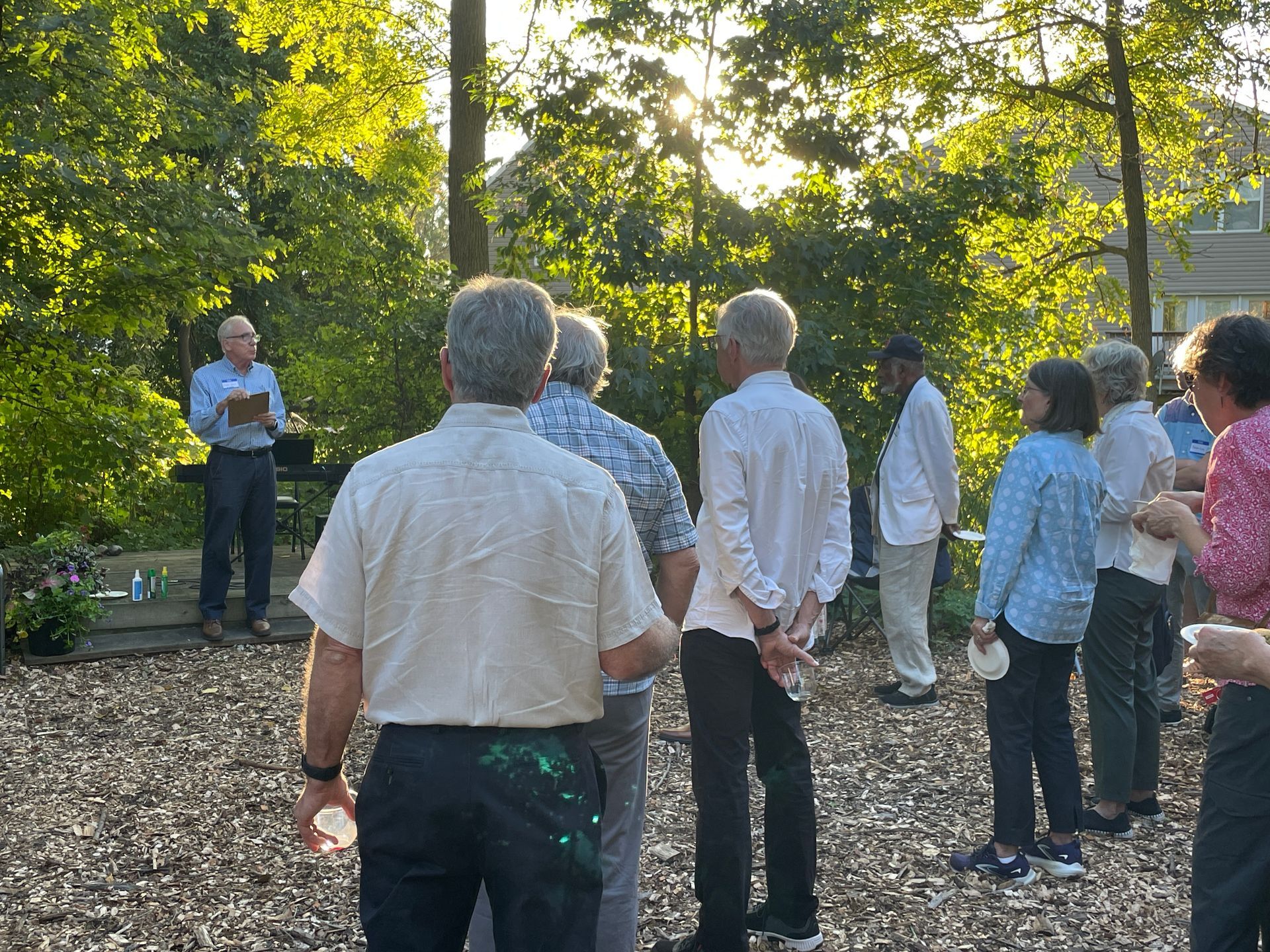
Information sessions were held both virtually and in-person at Baltimore County Public Libraries in Arbutus, Lansdowne, and Essex. The presentation shares who we are and what we do and provides residents with the information they need to move forward with conservation projects in their own communities. We used examples of NeighborSpace sites - from roadside gardens to full-fledged forests - to show the range of our work and to encourage people to think creatively about spaces in their neighborhoods.

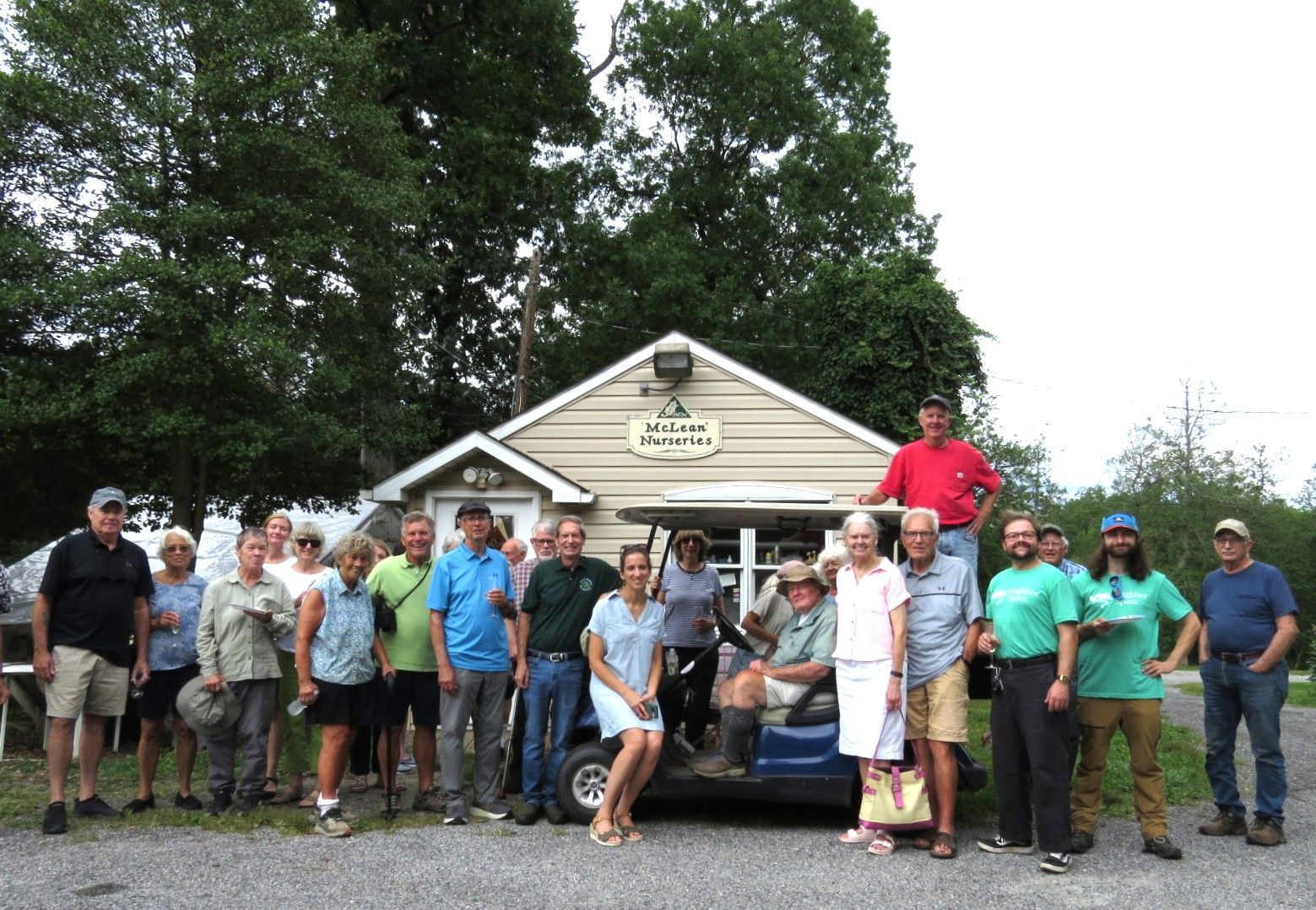
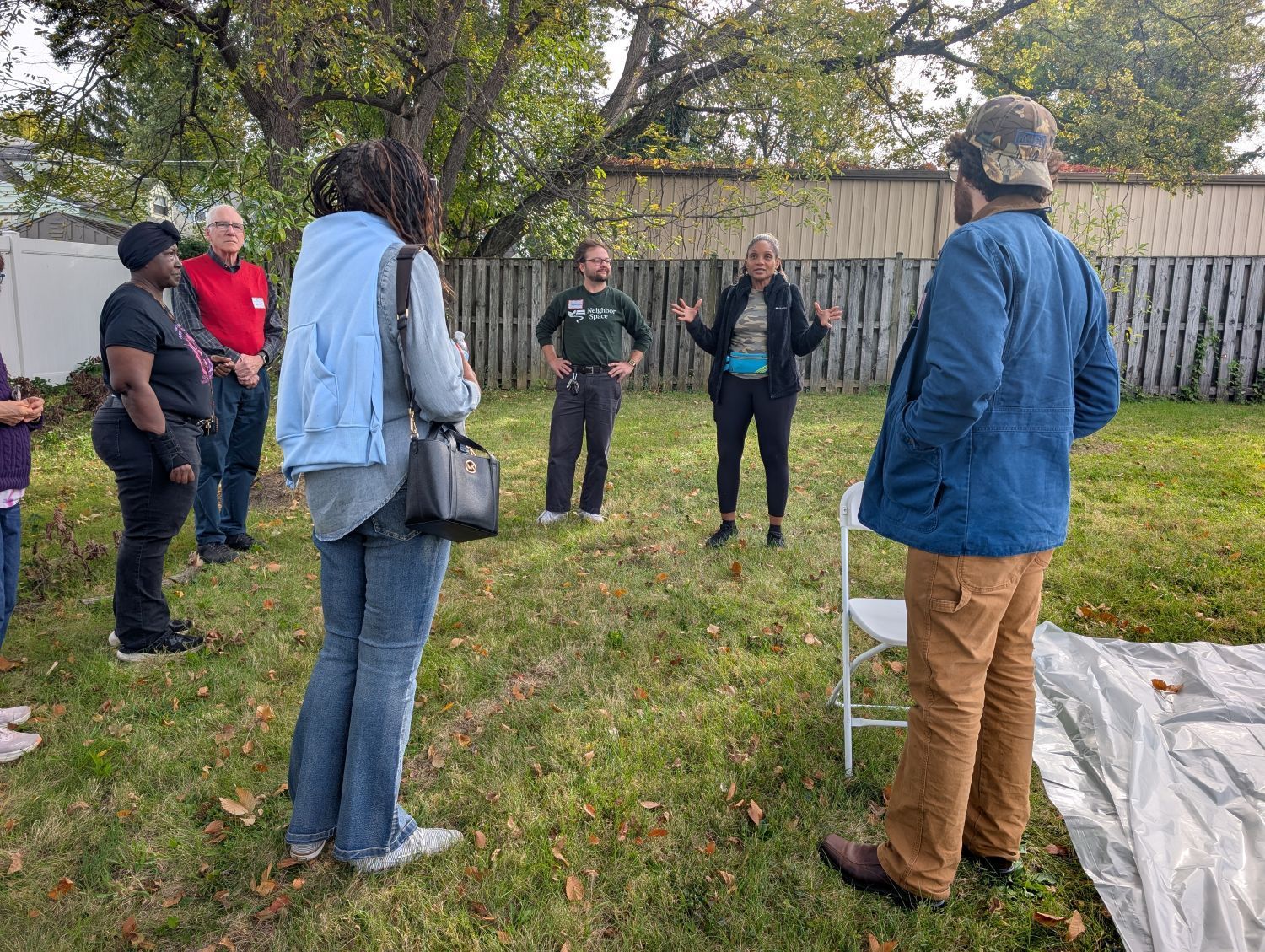
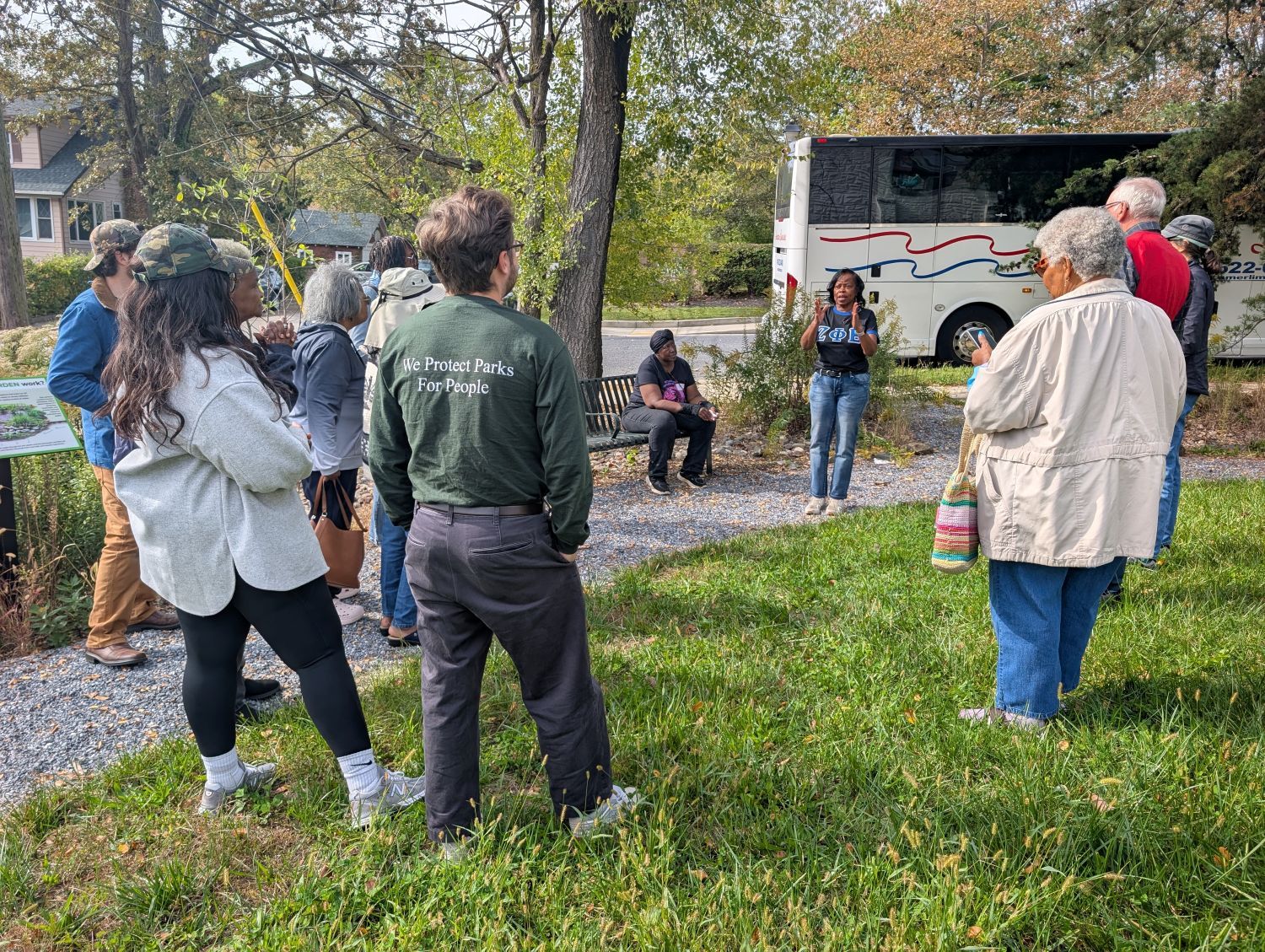
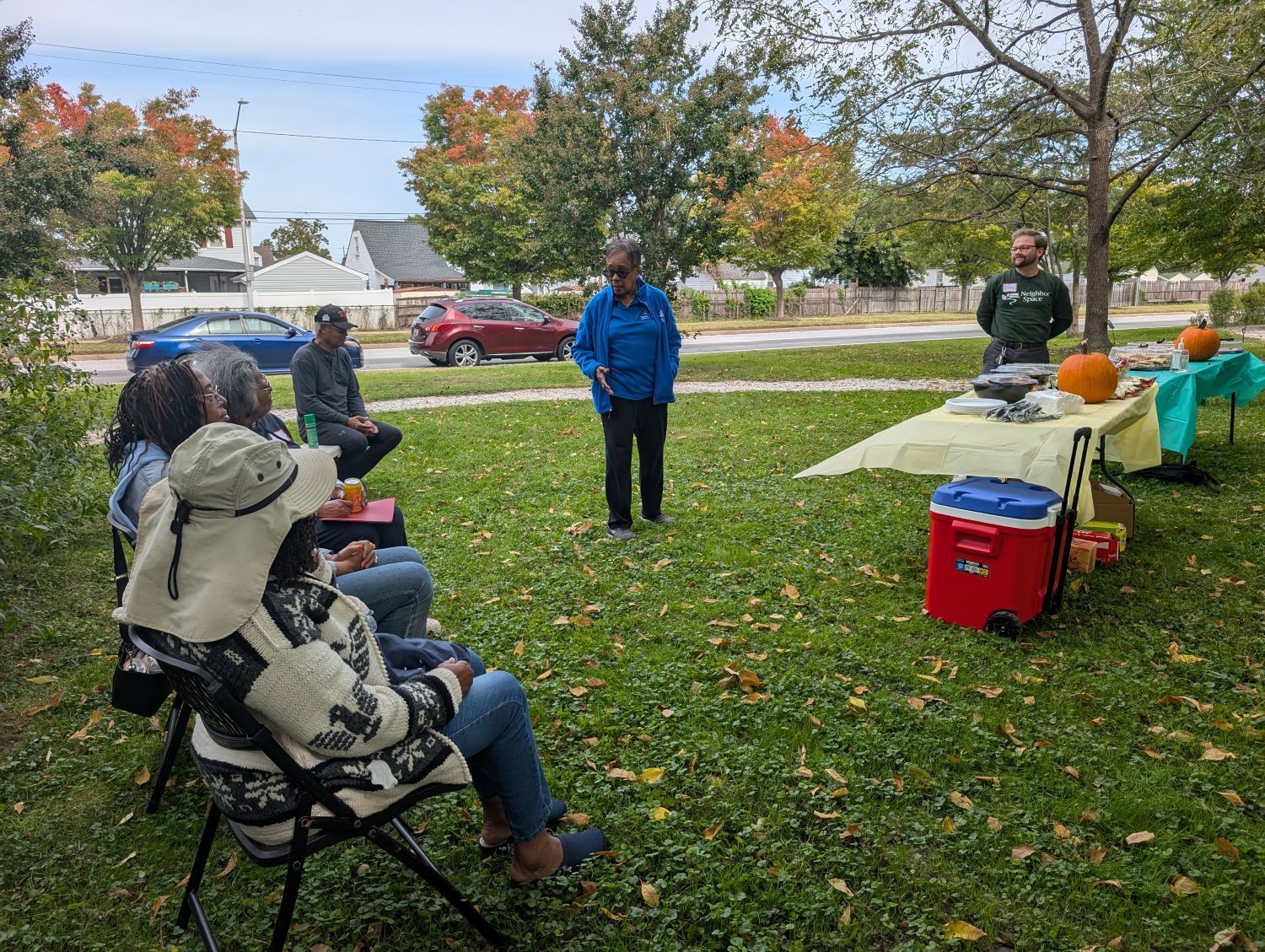
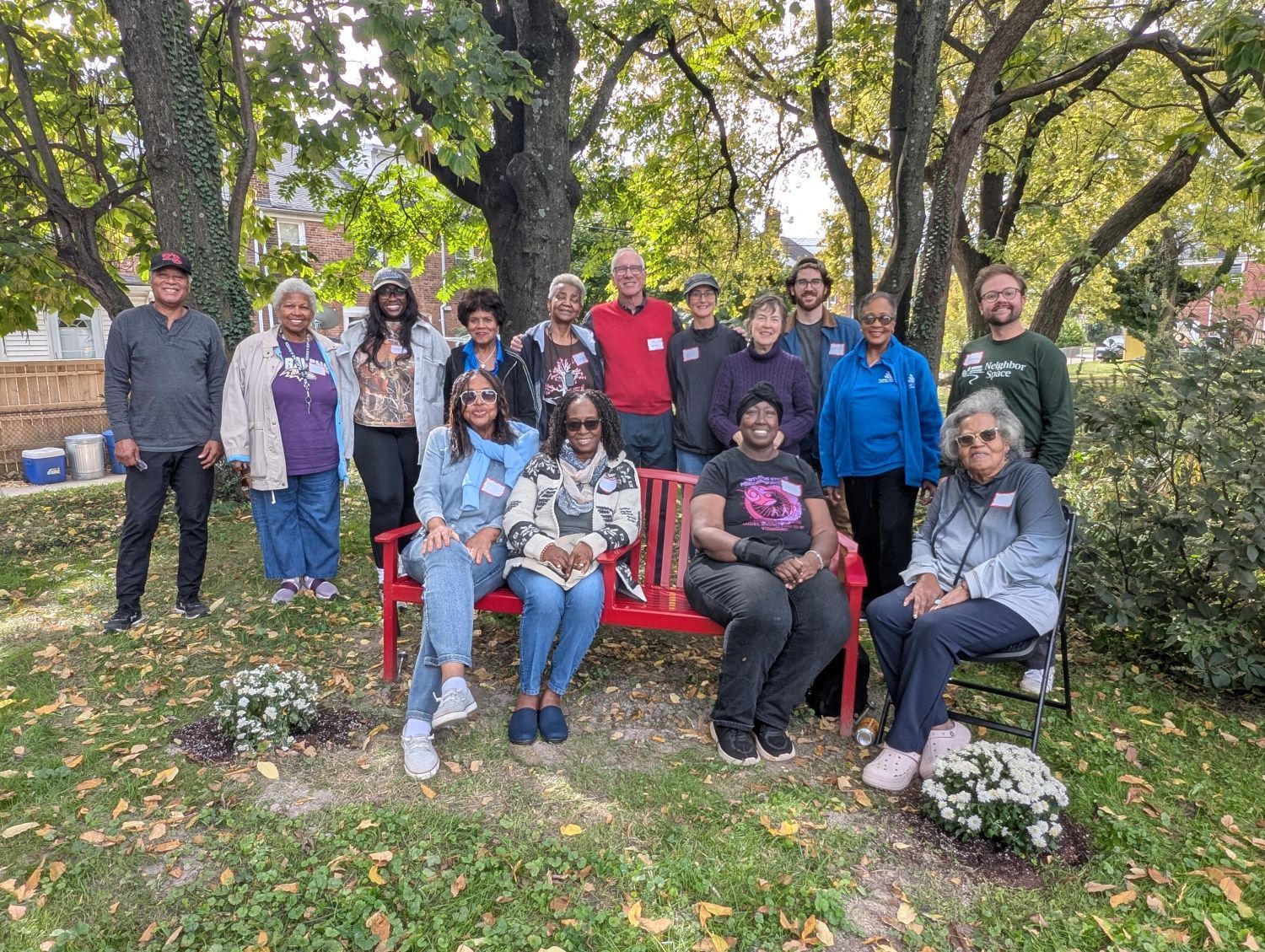
In addition to the information sessions, NeighborSpace offered a free bus tour for residents interested in learning more. The bus tour’s design was similar to the info sessions in that we sought to exhibit the range of possibilities and to demonstrate the level of commitment and community involvement that it takes to run a successful site. Special thanks to all of the stewardship partners, volunteers, and board members that came together to make this tour possible! At each site, bus tour participants were greeted by a NeighborSpace stewardship partner and treated to history and anecdotes that brought the space to life.
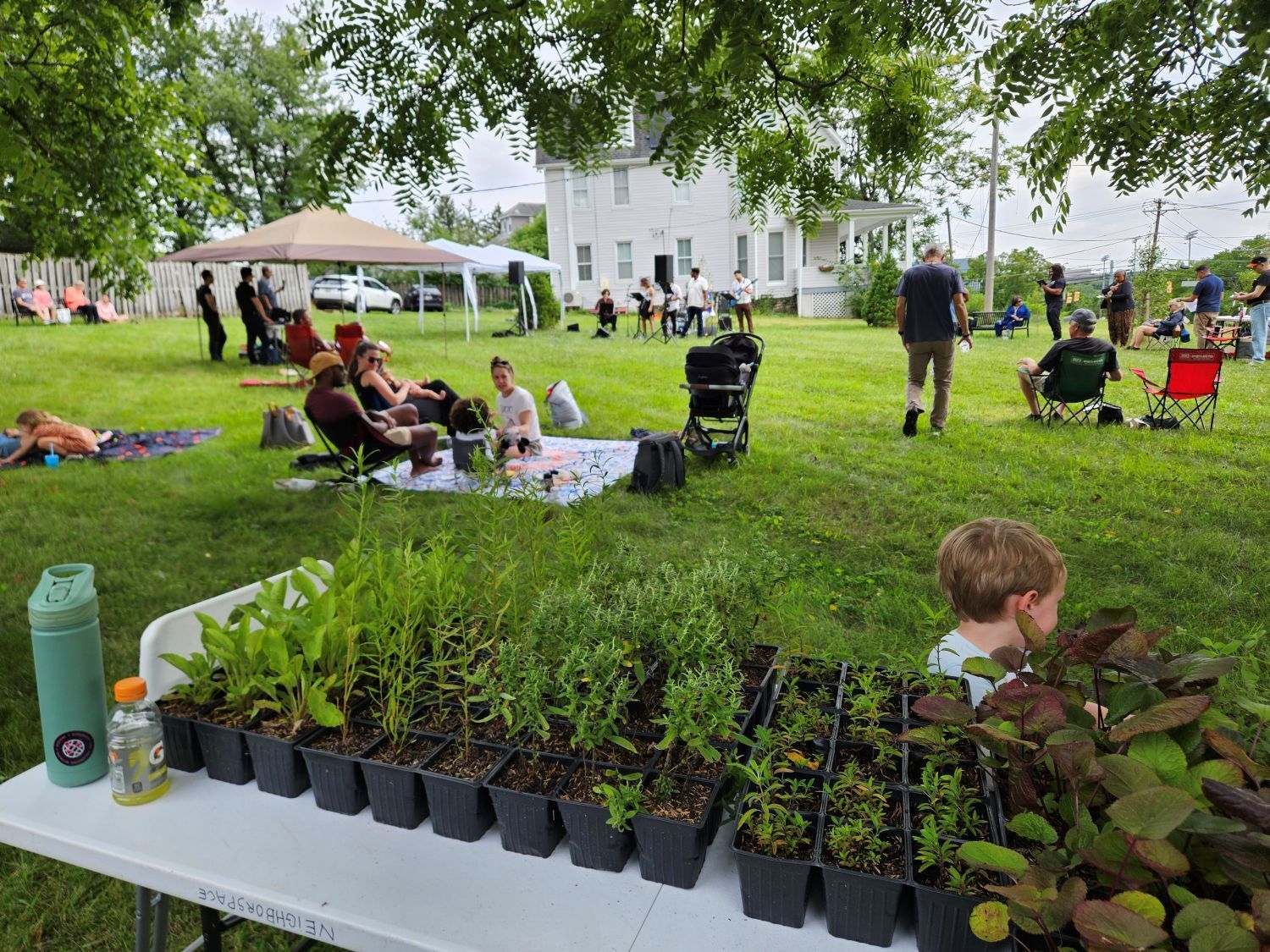
We started the day at Graystone Community Open Space, where participants got to see the park in action. The Graystone Community Association, led by President (and NeighborSpace stewardship partner) Kimberly Edwards, hosted its fall flea market that morning. Kimberly was there to meet us in a park filled with vendors and community members. She told us how the park has become a central part of the community, a space where events are held and people come to relax, resting on the benches and visiting the Little Free Library. We left Graystone with flea market bargains in tow, and took a short drive over to Carroll Watkins Park.

On our way, we waved hello to the Calico Cat Cafe in Woodlawn and briefly described the incredible community work going on there. This included a short introduction to the pollinator garden project that NeighborSpace will be partnering on this coming year.
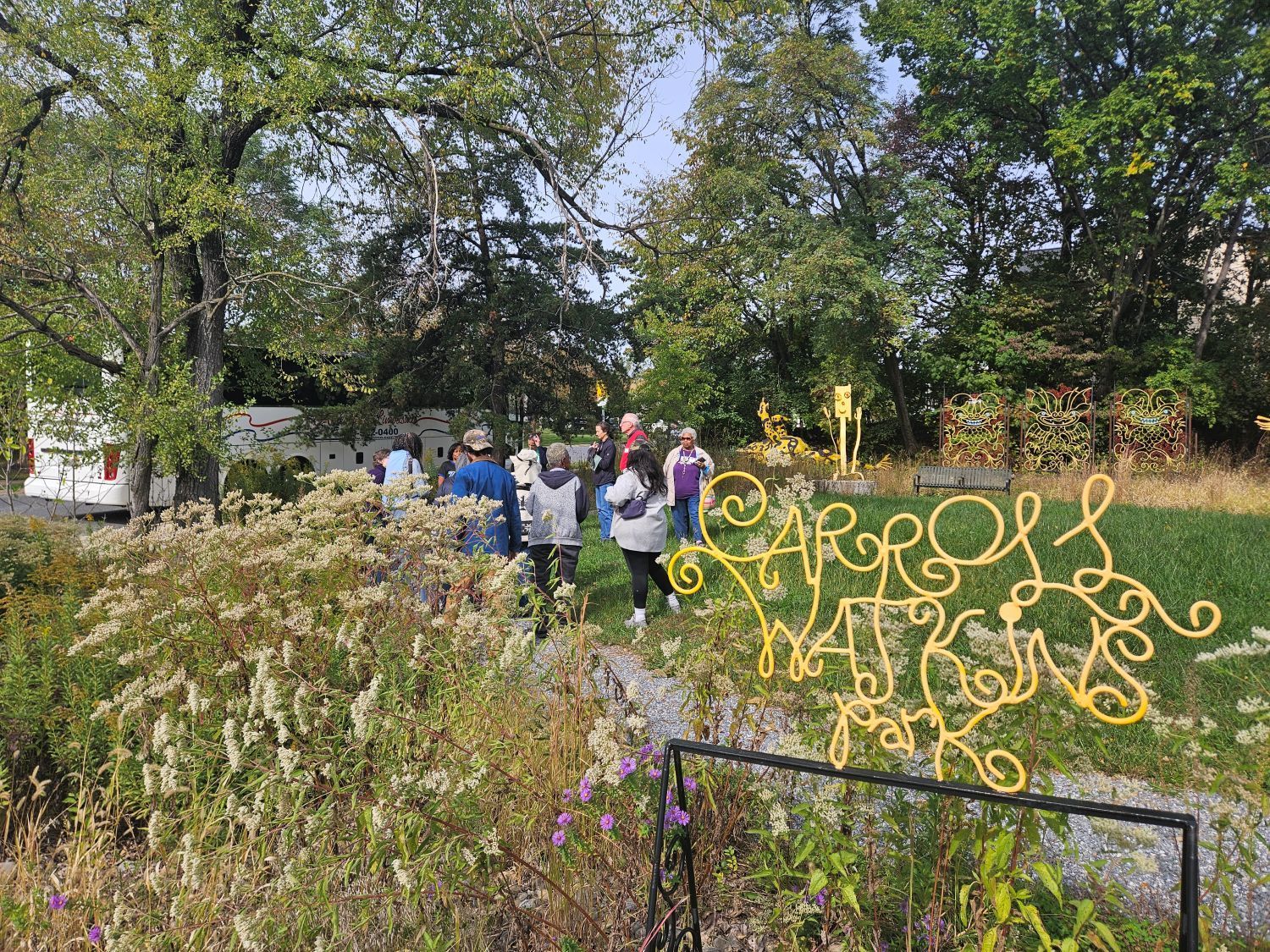
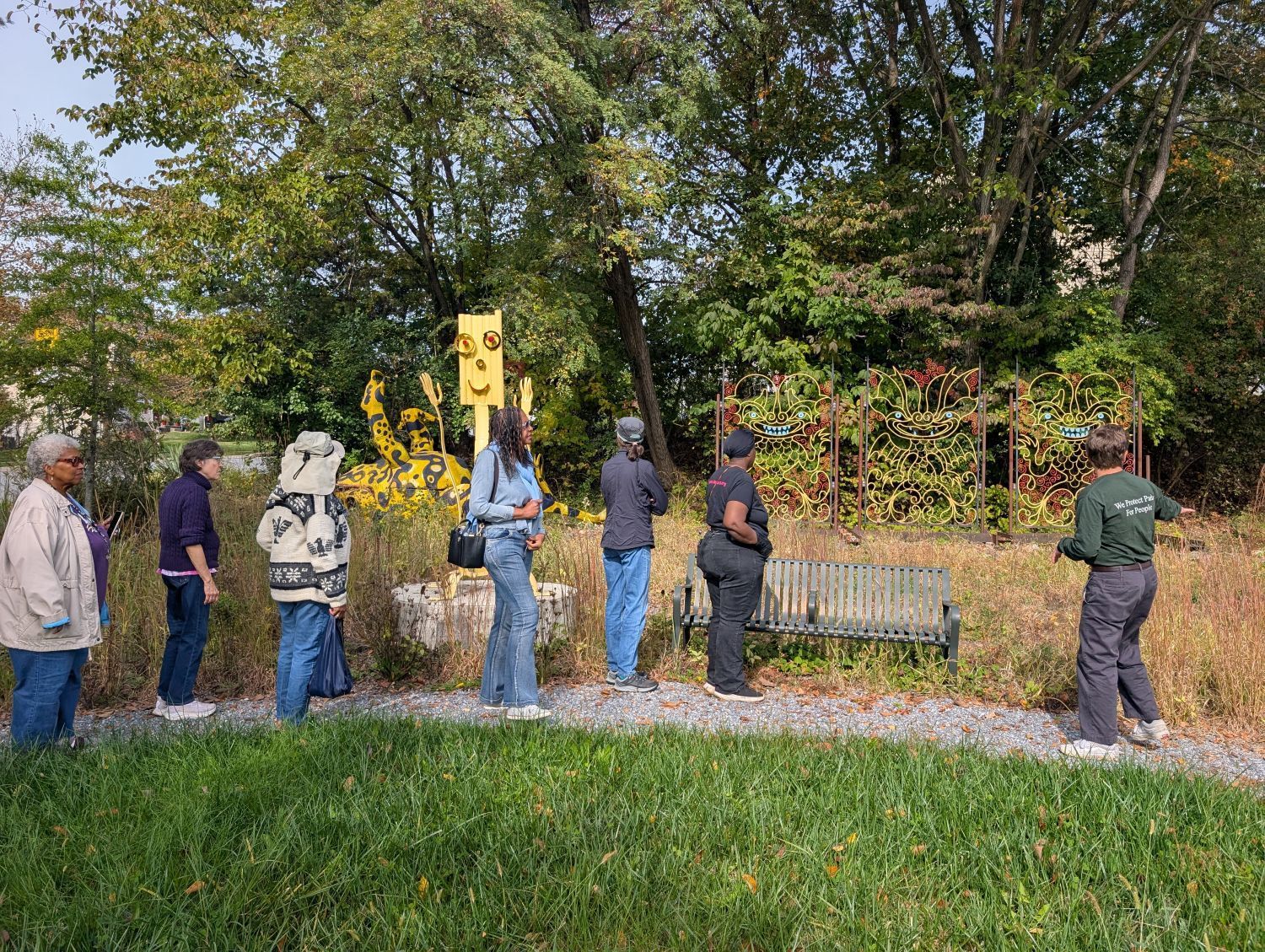
NeighborSpace stewardship partner Belinda Merritt met us at Carroll Watkins Park in Gwynn Oak, where she described the site’s transformation from a parking pad filled with abandoned cars to the beautiful garden and gathering space it is today. It was a long process, taking about 10 years to restore, but the results speak for themselves. I led the group through the rain garden and pollinator gardens, identifying plants and speaking about their value to pollinators and how they mitigate flooding and keep pollutants out of the Gwynns Falls down the hill. Our participants were impressed with how much could be packed into such a small space.


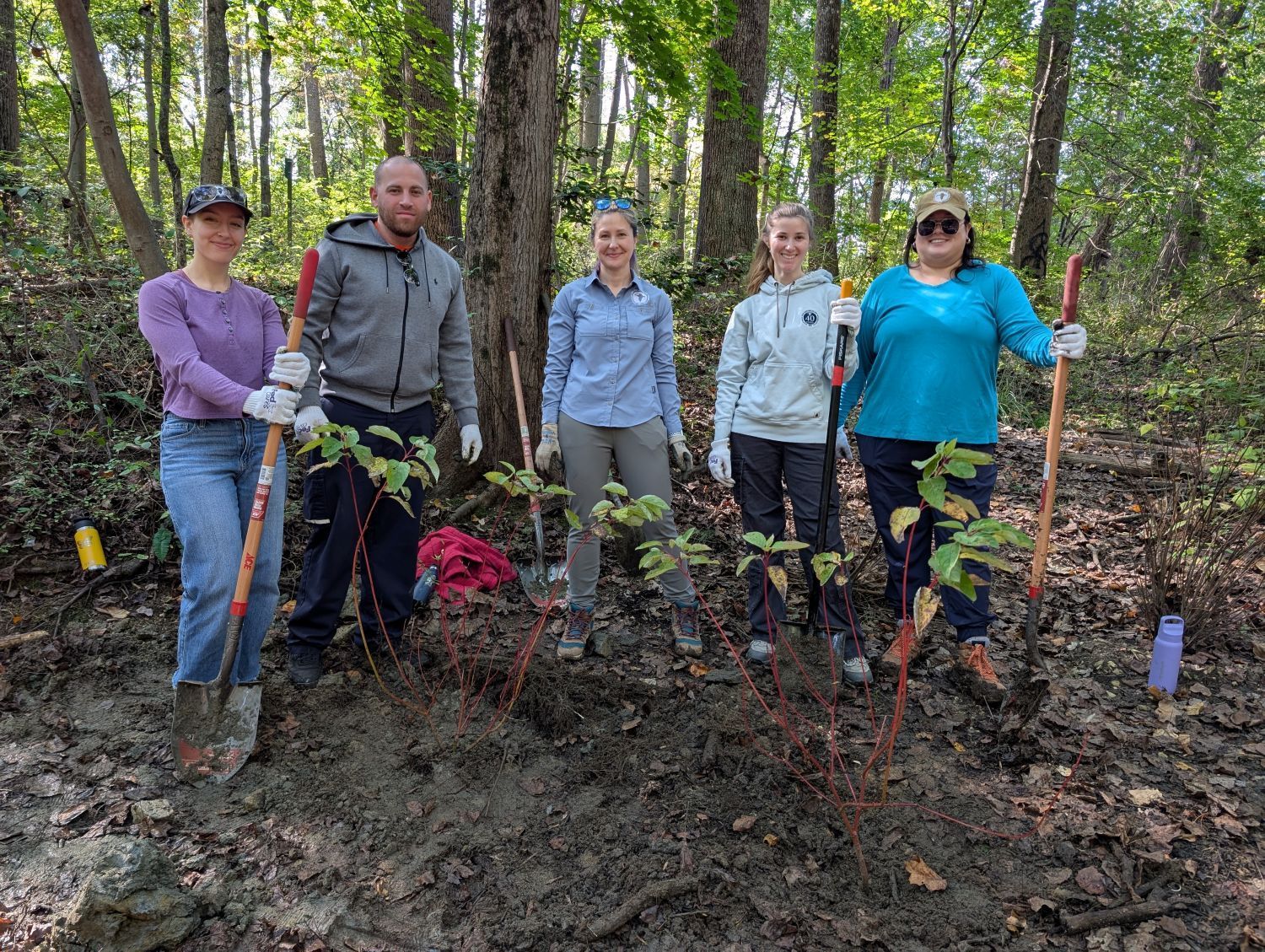
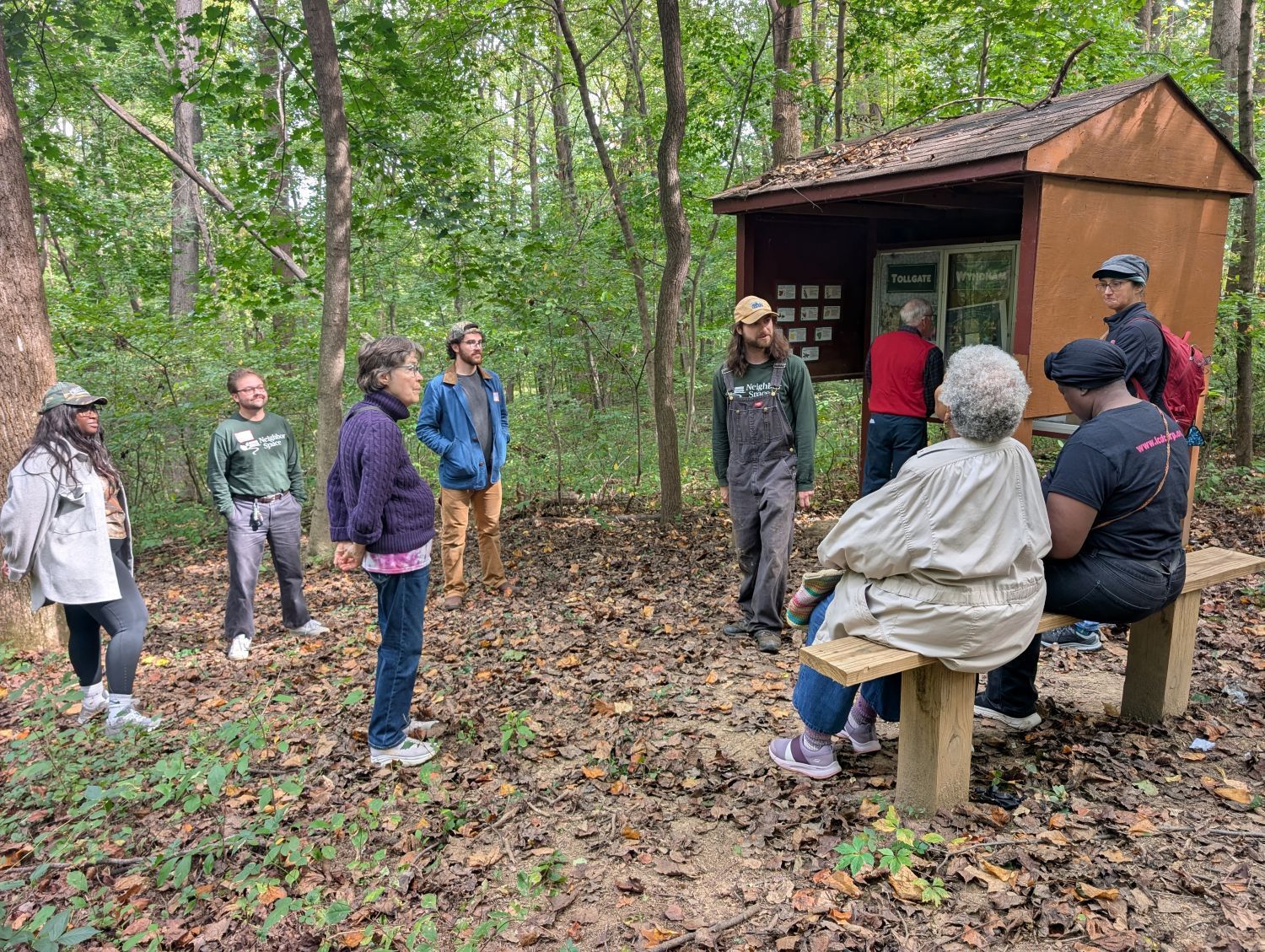
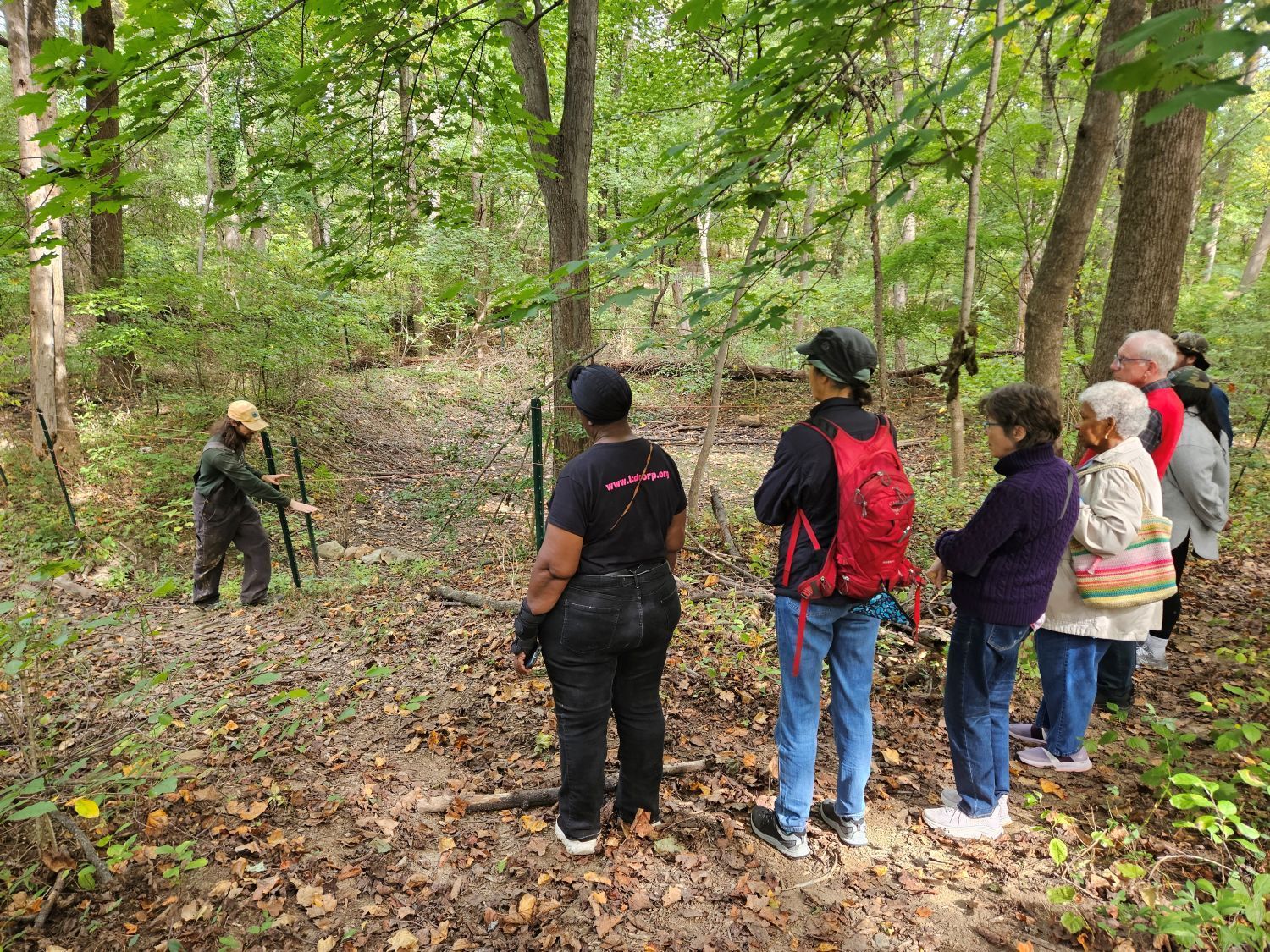
Our third stop looked a little different from the park and gardens of Gwynn Oak. Tollgate Wyndham Preserve is a 7-acre forest in Owings Mills where we were met by NeighborSpace’s Land Steward Conor, board member and stewardship partner Lance Dennis, and a small crew of volunteer stewards picking trash out of the stream! Lance described the forest’s long history and the educational and recreational value that it brings to the community. He also described some of the challenges of the site, including the erosion of a stream informally known as Owings Creek which runs through the forest. The stream feeds a wetland and swampy forest, but it is subject to a high volume of stormwater that chews away at its banks and fills it with trash from the surrounding areas. Conor led the group on a walk through the woods where he showed ongoing efforts to mitigate that erosion, remove and outcompete the abundant invasive species, and prevent browsing from deer on native species planted in the forest.


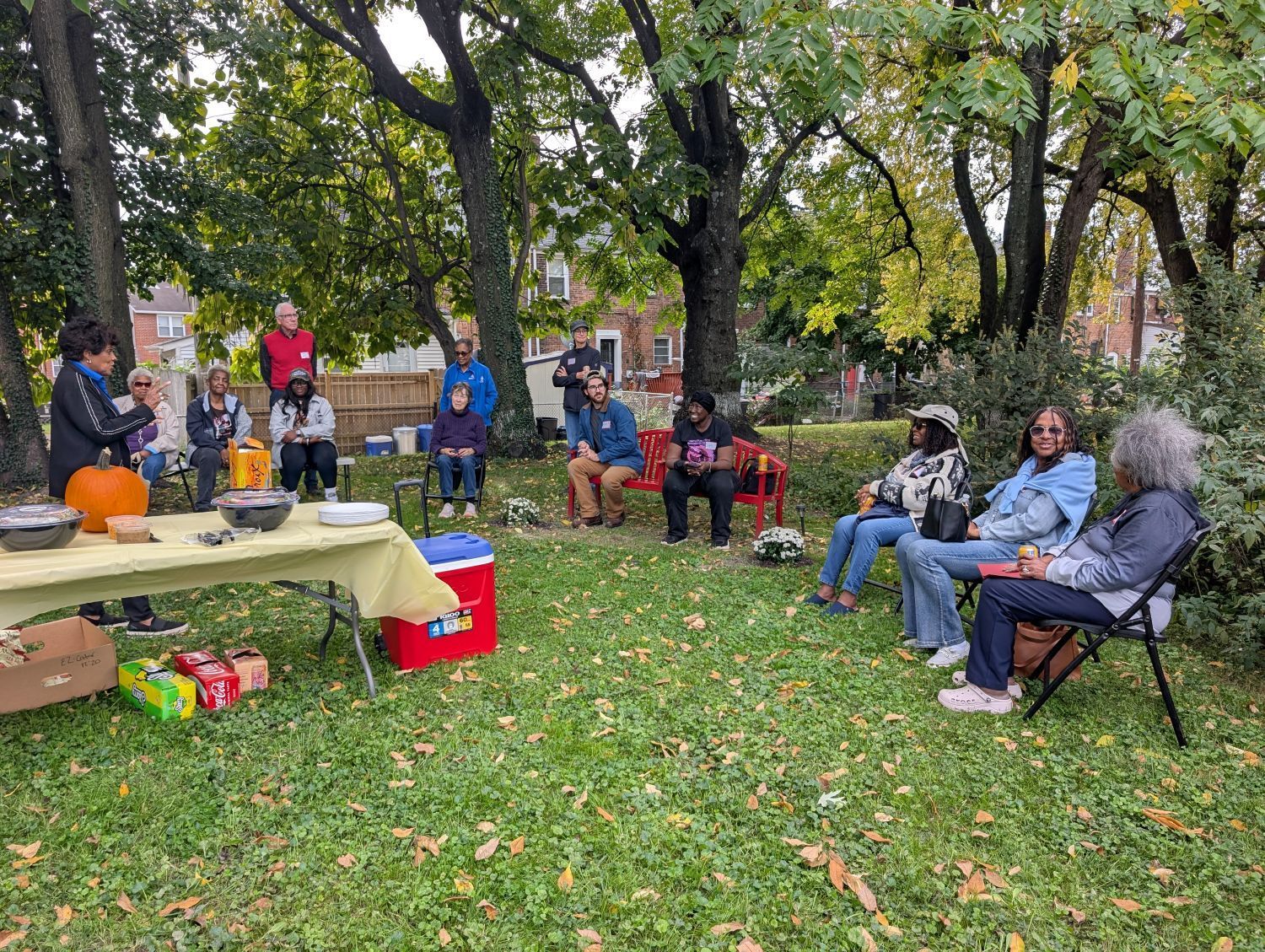
Our final stop of the trip was Chestnut Park, across the county in Turner Station, where we were met by NeighborSpace stewardship partner Edie Brooks and Gloria Nelson, President of the Turner Station Conservation Teams. Edie is also a Conservation Teams board member and chairs the Beautification Team and the History Center. Edie and Gloria spoke about the history of the site and the community and about their experiences partnering with NeighborSpace. Chestnut Park was not actually the first place that the community wanted to conserve in Turner Station. NeighborSpace was called in to help protect a different property but was outbid at auction. Afterward, knowing how NeighborSpace works, Edie reached back out to NeighborSpace about another site that would become Chestnut Park. Chestnut Park was historically a community garden that people in Turner Station remember to this day, but it was abandoned and left unused years ago. Now, Chestnut Park is a beautiful community hub that hosts many events, has raised beds tended by local Girl Scouts, and is lovingly stewarded by local community members. It was the perfect place for us to have our lunch and wrap up the tour.


All in all, the tour was a success. In the next few months, NeighborSpace will work with interested participants to explore conservation in their communities.Thank you again to all those who made the tour possible and who attended our tour and information sessions!

Recent Posts